
Gl 725 B c
A cold super-earth world orbiting Gl 725 B, a M4 star, 22.3 ly from Earth.
Tonight's light from Gl 725 B left the star around 2004.
Orbit shapes and relative timing are true — worlds sweep faster near their star, as Kepler demands. Spacing is drawn to true scale when the system allows; wide systems open compressed so inner and outer worlds share the page. Dashed orbits are derived from period alone.
The measures
Earth
1.0 R⊕
Gl 725 B c
1.66 R⊕
Life outlook
Conceivable
- Warmth
- 59 · weight 40%
- Size
- 28 · weight 30%
- Star
- 17 · weight 20%
- Orbit
- unmeasured · weight 10%
~215 K equilibrium vs Earth's 255 K
1.66 R⊕ vs Earth's 1.0 — larger worlds trend gaseous
3379 K dwarf vs the Sun's 5772 K — flares and tidal lock
Eccentricity unmeasured — scored at 80
A strict Earth-similarity index, not a detection: every factor peaks at Earth's own value and they multiply, so one hostile factor sinks the score — only a true Earth twin would reach 100. Equilibrium temperature ignores atmospheres, which can warm a cold world into comfort, or turn a Venus into a furnace.
The world
- Class
- Super-Earth
- Radius
- 1.66 R⊕
- Mass
- 3.4 M⊕
- Density
- 4.08 g/cm³
- Equilibrium temperature
- 215 K
- Starlight received
- 0.47× Earth
The orbit
- Period
- 37.9 days
- Semi-major axis
- 0.139 AU
- Eccentricity
- —
The star
- Host
- Gl 725 B
- Spectral type
- M4
- Temperature
- 3,379 K
- Radius
- 0.28 R☉
- Mass
- 0.25 M☉
The system
- Distance
- 22.3 ly · 6.8 pc
- Known planets
- 2
- Stars
- 2
- Coordinates
- RA 280.7° · Dec 59.63°
The observation
- Star brightness
- V 9.7 · telescope
- Atmospheric spectra
- none yet
- Stellar age
- 8.7 Gyr
The record
- Method
- Radial Velocity
- Facility
- Mauna Kea Observatory
- Discovery
- 2026
- Parameters published
- —
This world's keeper
TestNet
Consulting the chain…
Planetary industry
Survey assay
The same physics that paints this world prices its industry — radius, density, starlight, and the chance of life set these rates.
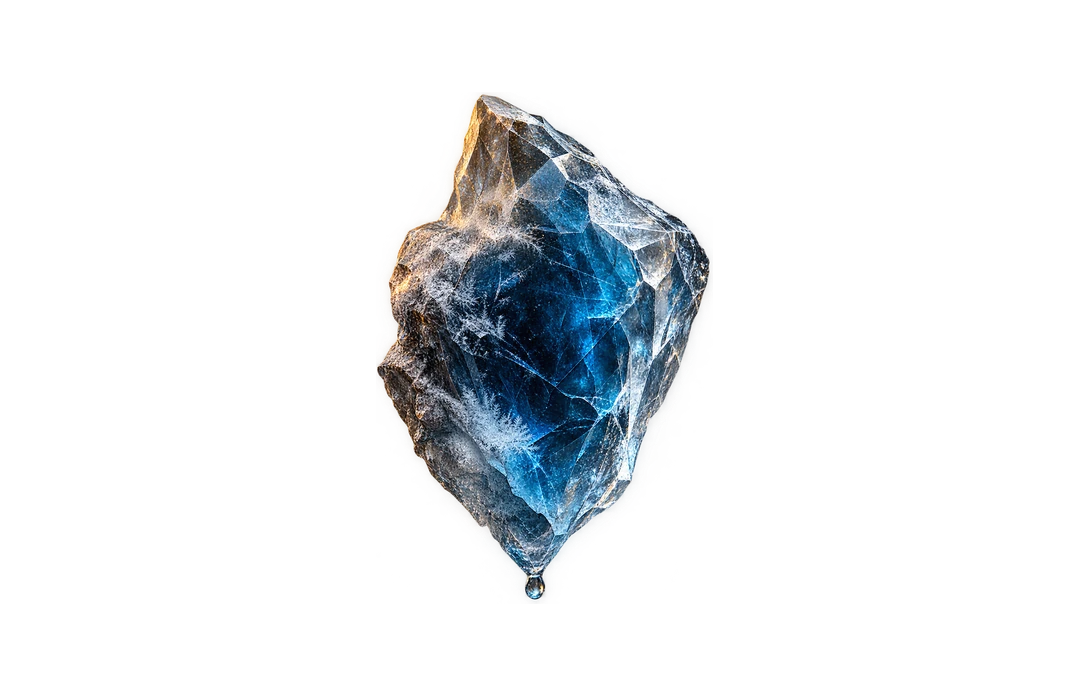
Water IceH₂O
6.4/h
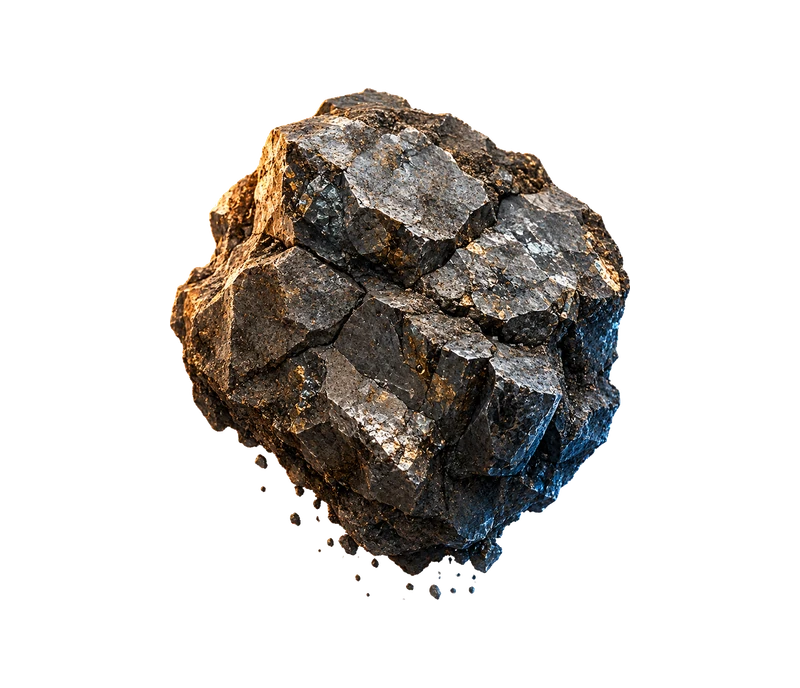
SilicatesSiO₂
2.1/h
Hold this world's deed to found an outpost and work these seams.